World Chocolate Day 2026 is here, and it pays homage to a July 7th from centuries ago… July 7th, 1550 to be exact.
That’s the day chocolate supposedly arrived in Europe for the first time, crossing the Atlantic from Mesoamerica and landing on a continent that had no idea what was about to happen to its dessert traditions. A single date. A single moment. Except historians aren’t entirely sure it happened that way — or that it even happened on July 7th.
Yet every year since 2009, we’ve gradually built a global celebration around this not-so-definitive historical footnote. It’s a special day on the calendar only so recently that the people who created World Chocolate Day might still be alive to defend their choice… if we could ever actually pinpoint who invented the celebration!
Still, there is some method behind the madness here, so let’s take a closer look at what makes World Chocolate Day 2026 significant.
From “Pocket Change” to Wealthy Treasure
Although there is no definitive, documented proof that July 7, 1550 marks chocolate’s European debut, what we do know is that cacao made the journey sometime in the 16th century, arrived through Spanish conquistadors and traders who’d experienced it in the New World, and that chocolate drinking soon became quite fashionable among European nobility.
There’s a bizarre irony in here too that cacao beans were essentially being used as “pocket change” by a group known as the Pipil in Mesoamerica not long before this “for the rich” transformation overseas. For the Pipil, cacao was actually closer to the bottom rung of currency in the region. Things like bolts of cotton or copper axes were used for larger payments, and cacao beans were more for what we might consider “breaking a $100 bill” today.
Enter the Spanish conquistadors who of course wreaked havoc on the region (that’s putting it nicely), and the next thing you know, cacao is shipped to Europe and coveted by the rich. It’s quite the intense juxtaposition, moving from pocket change to an indulgence for the wealthy.
We must be frank about how cacao existed for the Aztecs and Mayans, however. For the better part of centuries, the currency was actually quite coveted — to the point that people would pare down avocado pits to create counterfeit currency!
The Aztec in particular actually treated cacao with an almost cult-like reverence. Aztec nobility drank cacao out of extravagantly decorated gourds and other fancy drinking vessels, while commoners were actually forbidden from even consuming it!
In Mayan culture, however, cacao was consumed by all (no wonder the Mayans outlasted the Aztecs).
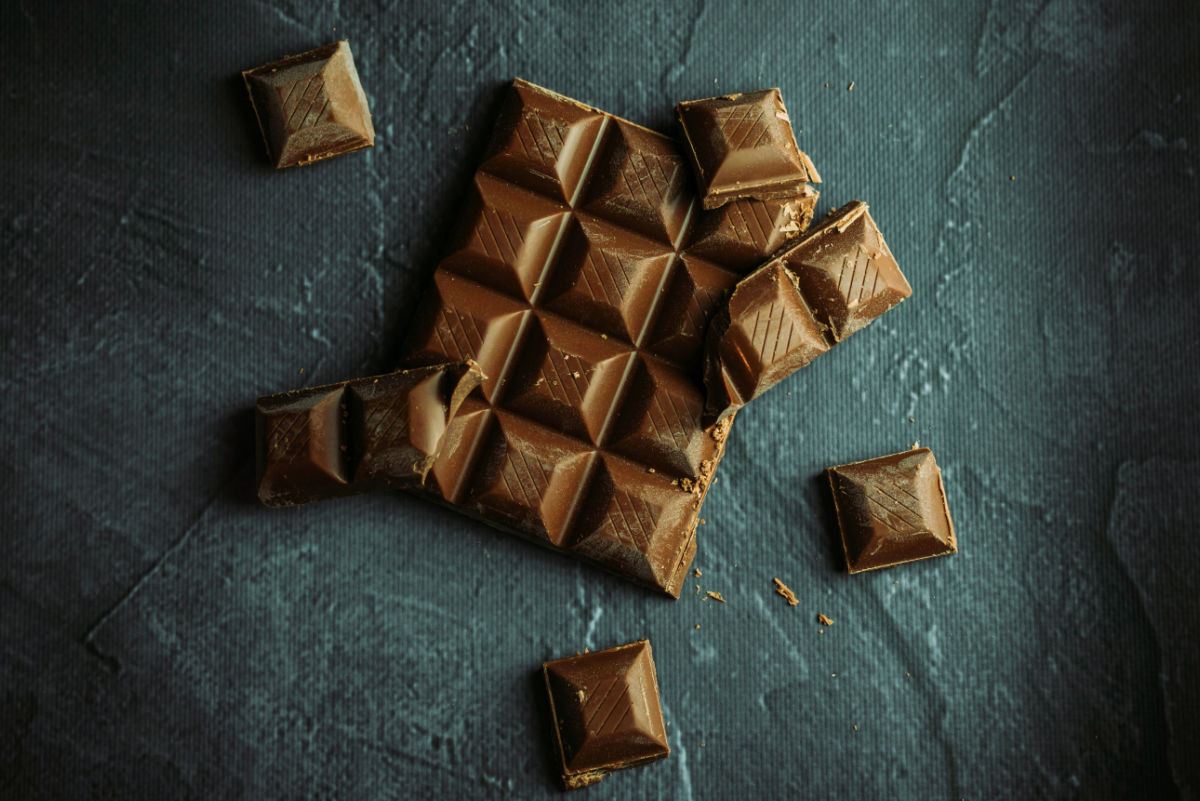
Photo by Tamas Pap
What to Really Celebrate on World Chocolate Day 2026
The real significance of the 1550 cacao arrival has nothing to do with the rather grotesque imagery of wealthy people enjoying their stolen tradition (well, at least from the Mayans); instead, it holds much more weight as a pivot point for what was eventually to come in the chocolate world. European chocolate makers started experimenting with roasting temperatures and ingredient ratios (to counter cacao’s inherent bitterness) in ways the Aztecs never had incentive to pursue.
The Spanish added sugar (not present in pre-Columbian preparation). The Dutch developed cocoa pressing techniques that separated cocoa butter from cocoa solids, creating the foundational innovation that made modern chocolate possible. The English industrialized production to a new level, as in true mass-production, for better or worse.
Everything you taste in a premium chocolate bar today… every subtle flavor note, every texture distinction between single-origin cacao varieties, every balance between bitterness and sweetness… it all exists because chocolate eventually became a broader European obsession, not simply a drink for the rich.
And not because any part of it was suddenly better in 1550, but because different cultures with different resources started down new paths with cacao.
So for me, July 7th is about honoring the early cacao traditions that paved the way to a larger, worldwide story (I recommend a visit to Projet Chocolat and following their social media as well for more on this, from chocolate historian Sophia Rea), and also acknowledging that the sophistication we all appreciate has a specific origin story as well.
The chocolate we love exists in its current form because of 400+ years of experimentation and refinement following that 16th century moment of arrival. The complexity you’ve trained your palate to recognize, the nuance you seek in fermentation profiles and terroir differences — they make a celebration here relevant.
The Uncertain Anniversary
Although there is no way to know if July 7, 1550 is definitively correct or incorrect, the idea of marking that threshold still resonates. There’s something powerful about declaring a moment when chocolate did set foot on a larger world stage than only within a certain range of the cacao belt.
Acknowledging that chocolate’s story is a story of culture, experimentation, and refinement across continents, and across centuries, matters. The bar you’re tasting represents not just raw cacao but the accumulated knowledge of countless chocolate makers (many of whose names you’ll never know) who determined that fermentation meant something… that roasting temperature made a difference.
When you deliberately taste chocolate on July 7th this year, you’re participating in something more than indulgence. You’re acknowledging a 476-year conversation about how to make something regional into something universal without losing what made it special to begin with, and without dishonoring the traditions that started this whole wild, chocolate adventure in the first place.
World Chocolate Day 2026 Featured Image Photo by Valentin Balan